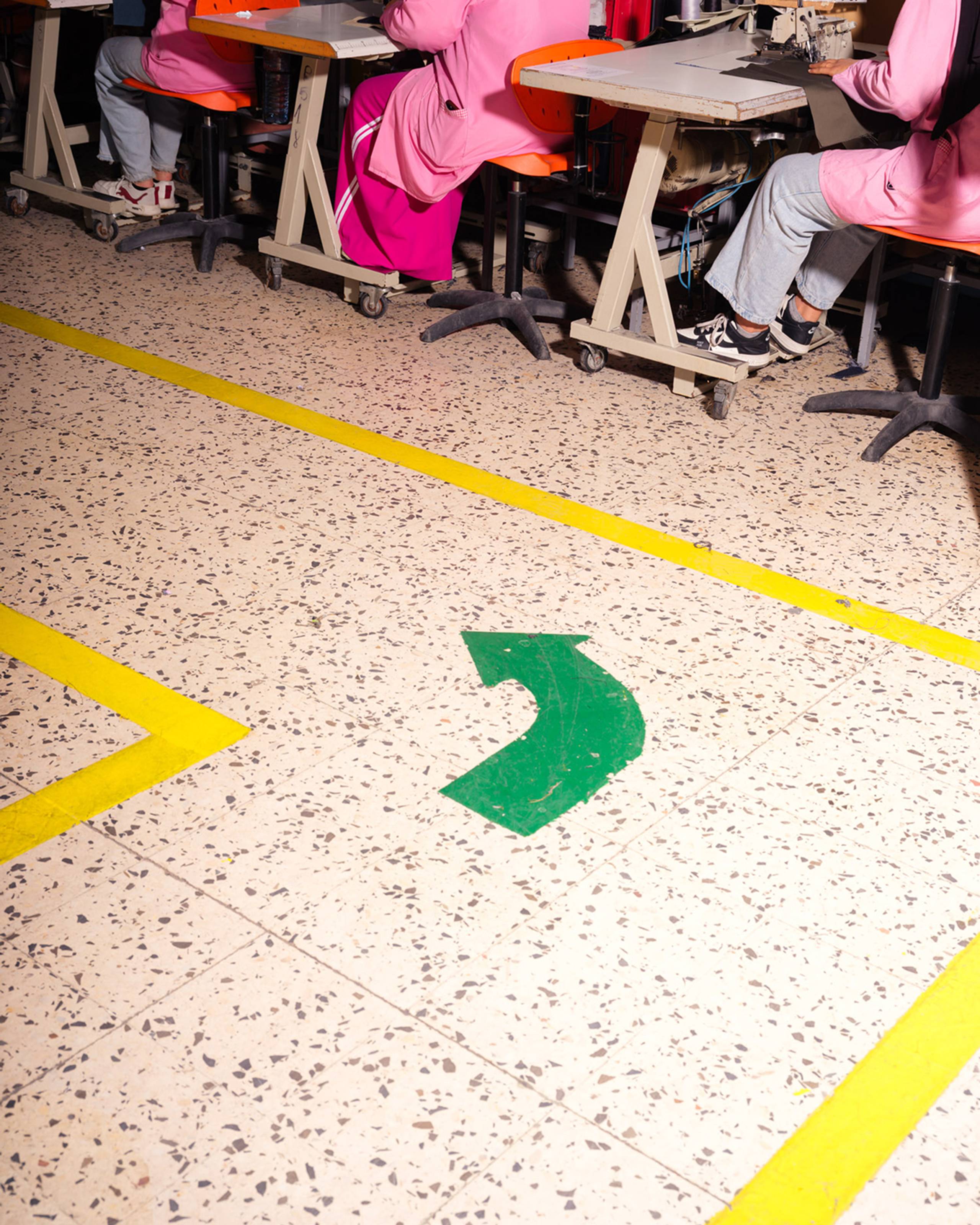
Sustainability
As our name suggests, the work is never complete, it is always in progress. When it comes to sustainability, this feels particularly relevant: There will always be more to do, because the world we live in continues to change. This brings new responsibilities and challenges that must be faced head-on.
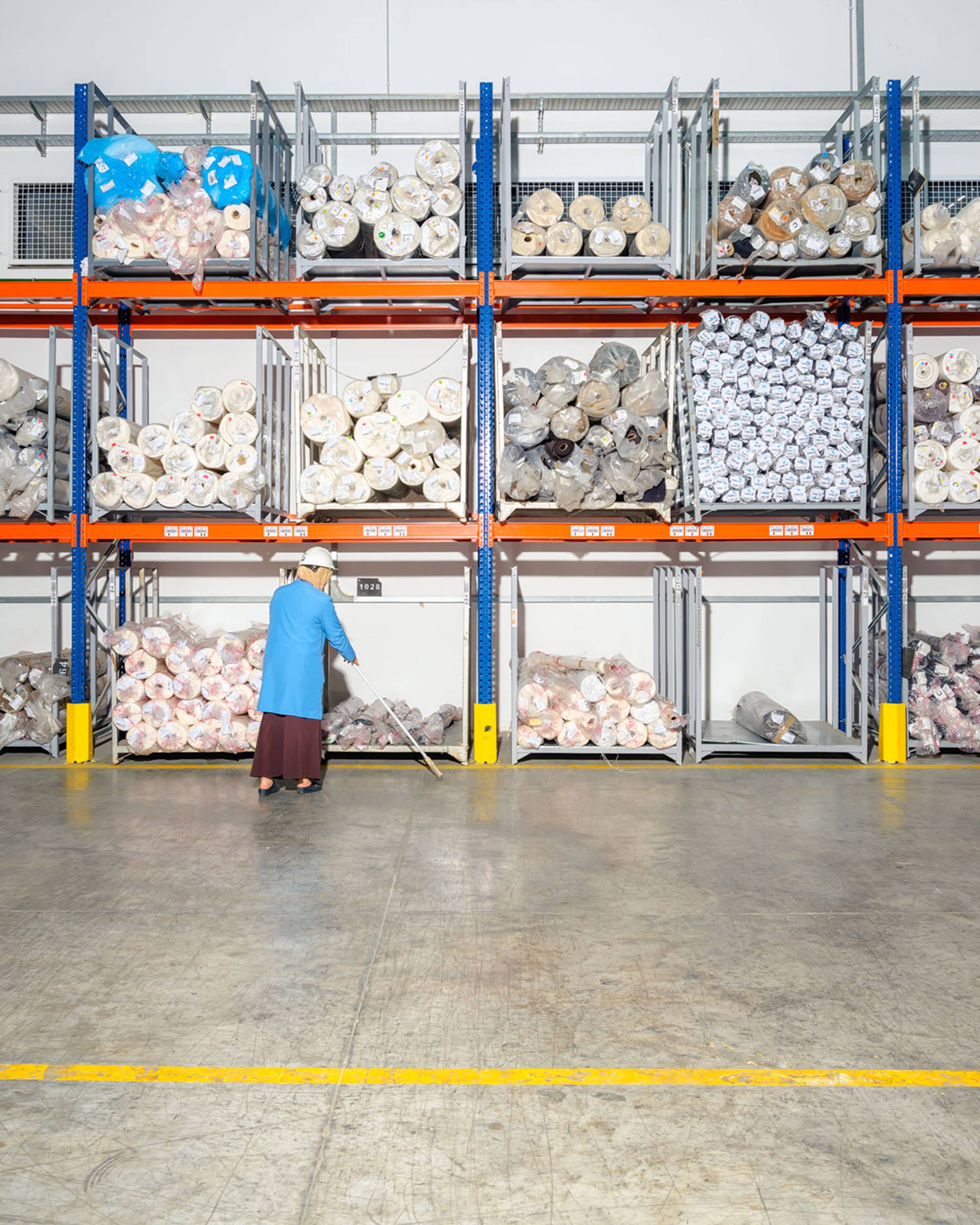
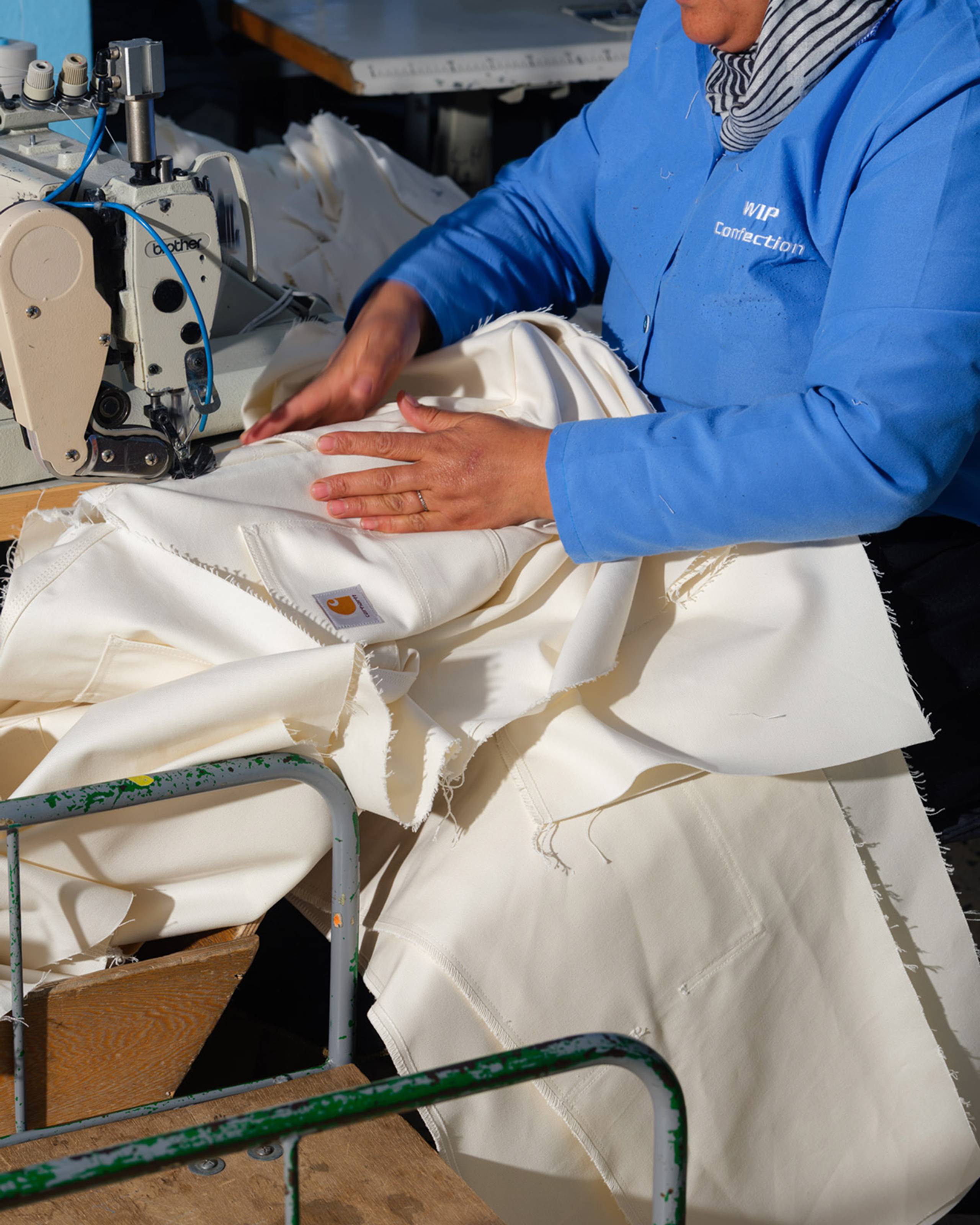
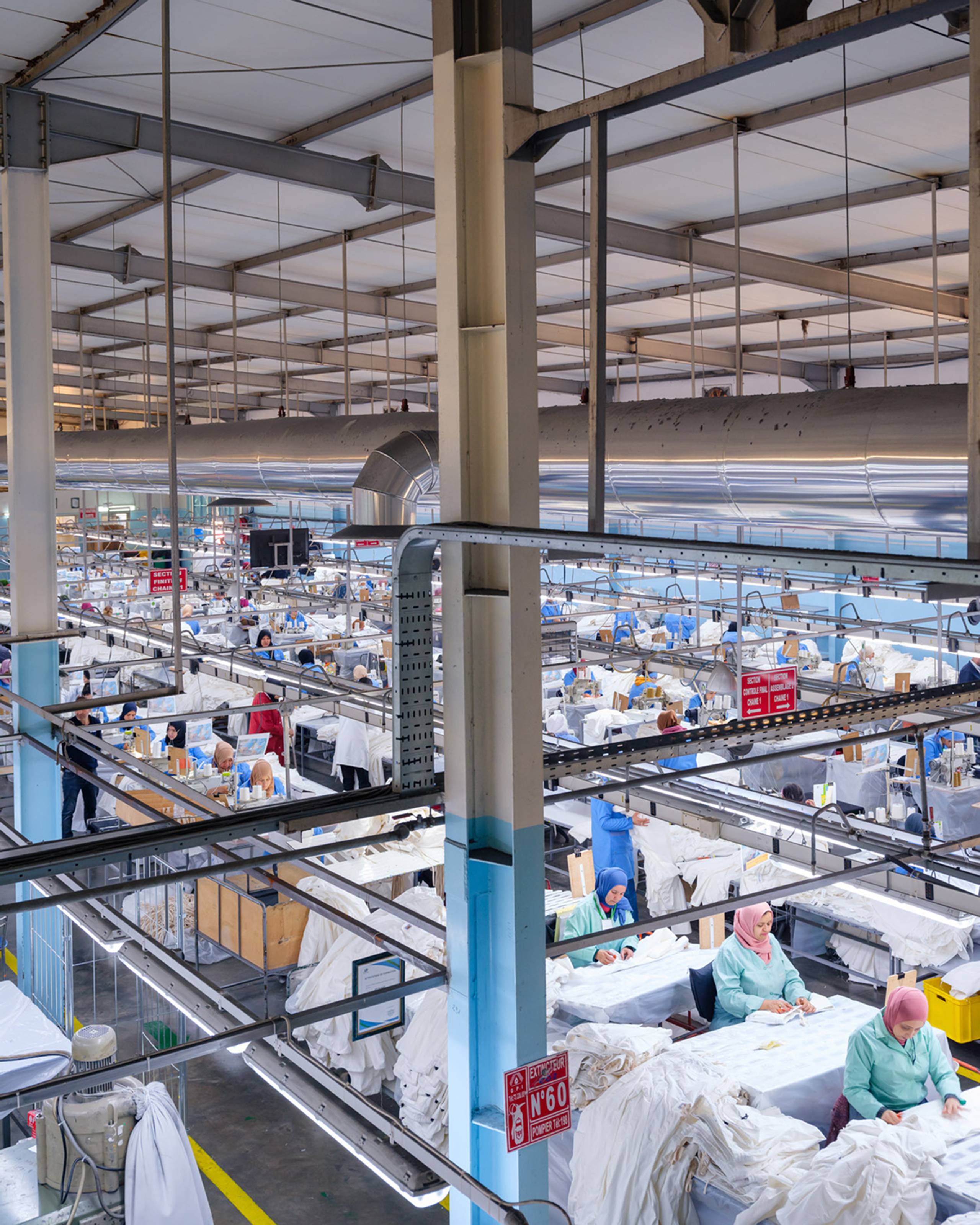
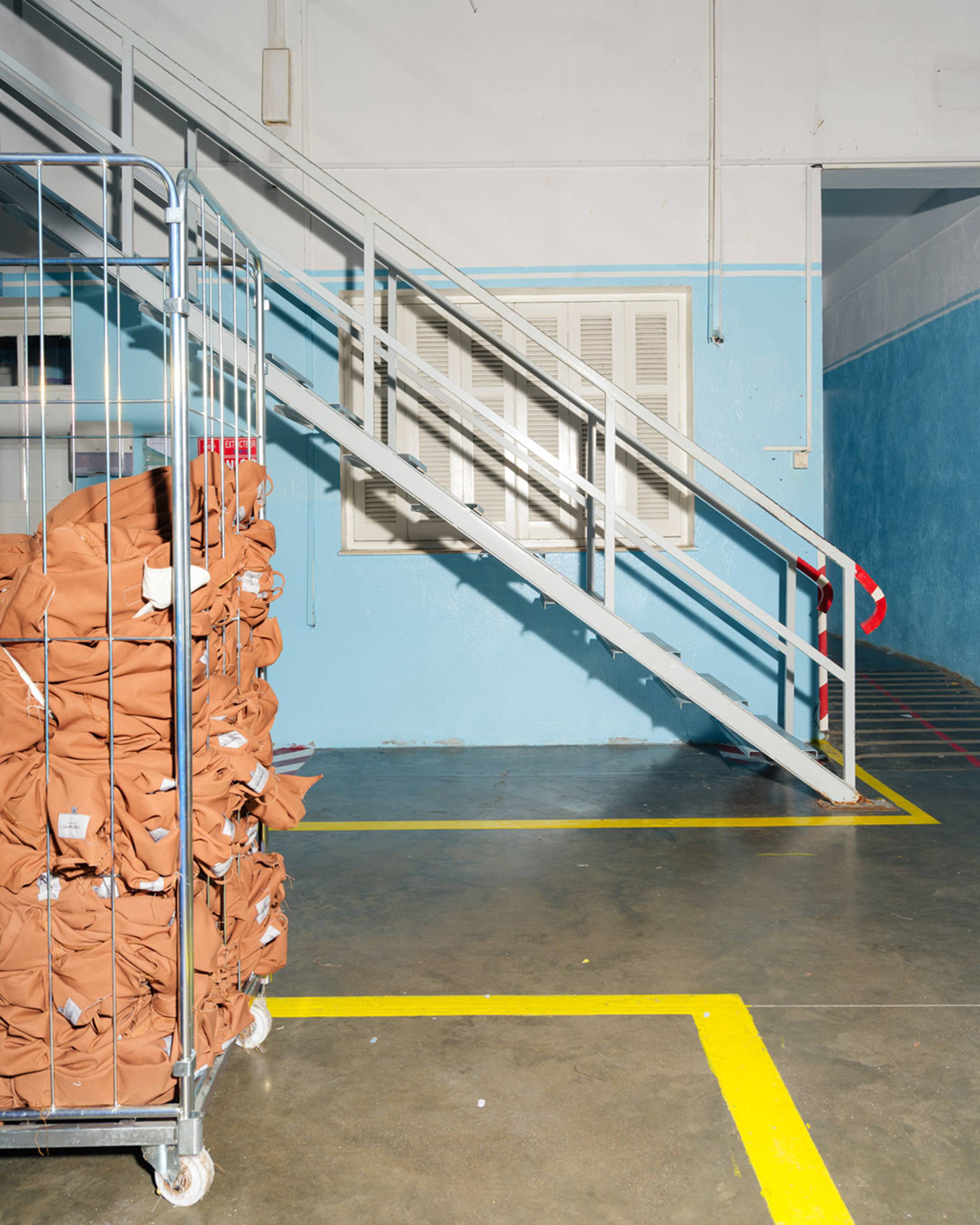
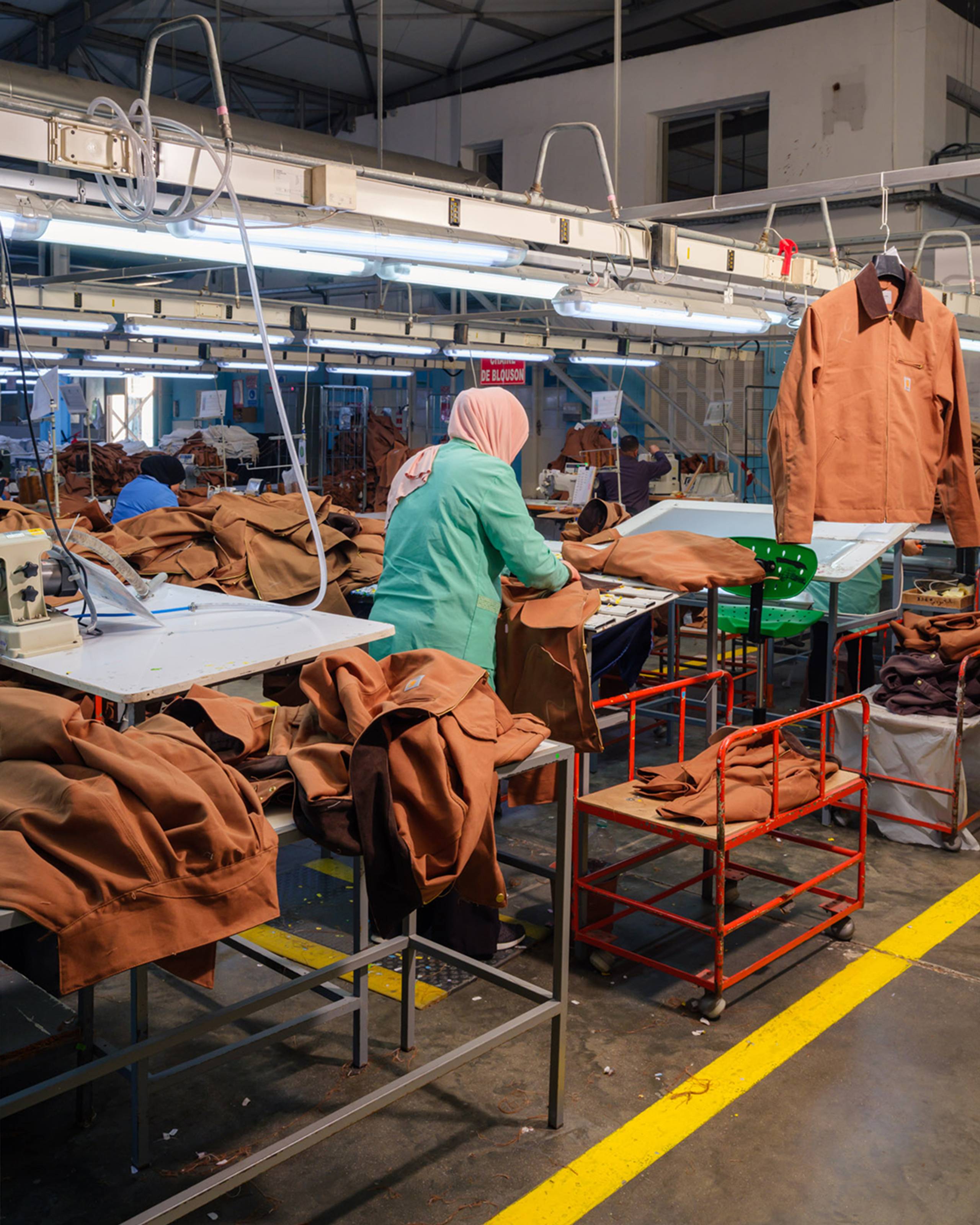
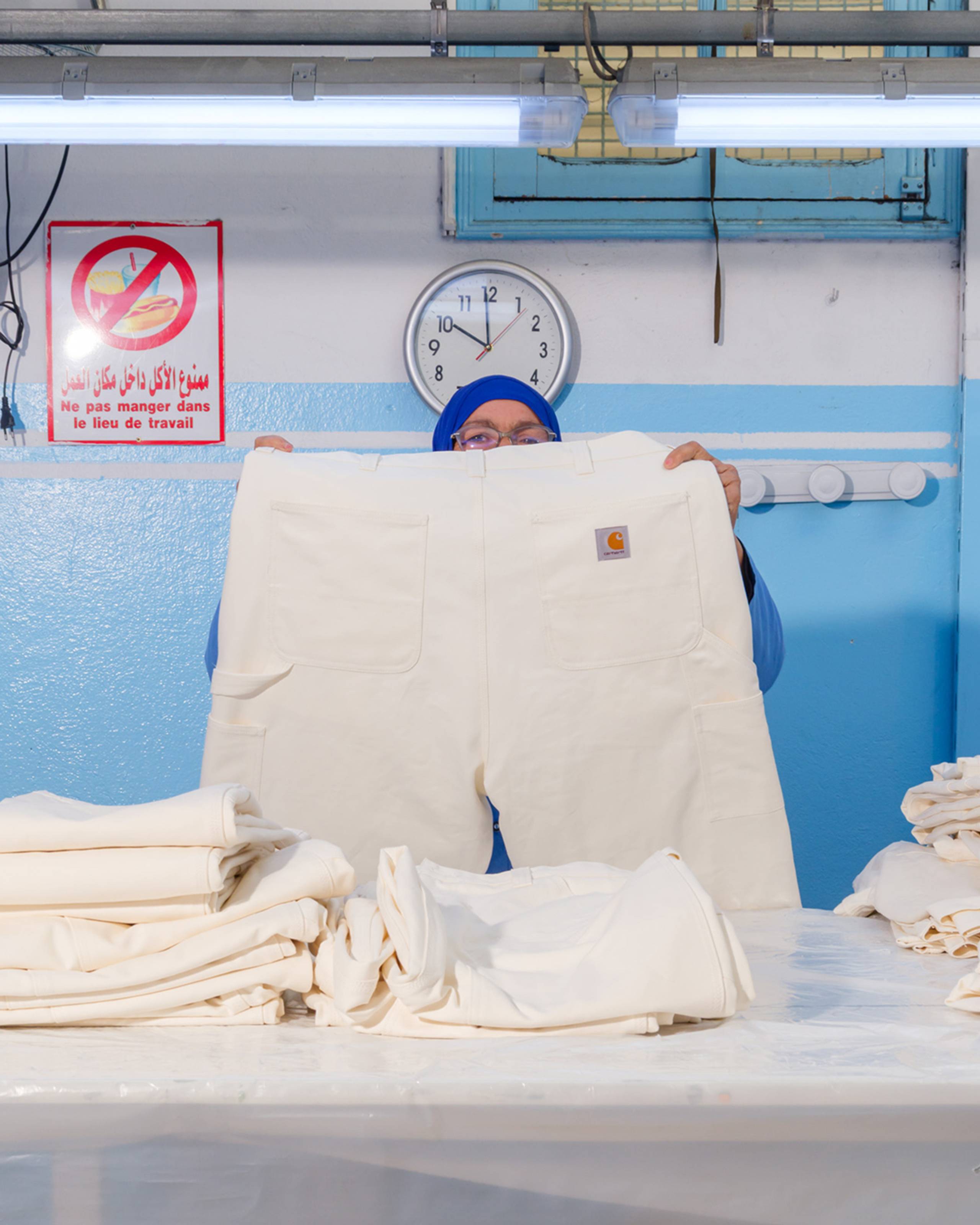
In striving to become a more sustainable business, there are achievements and milestones we have met. But ‘progress’ is not a destination itself, it’s what comes from showing up every day to put in work.
Carhartt WIP is committed to working in a way that is both fair and responsible. There are three key pillars that shape our approach: Product, Planet, and People.
“Make things well, make them last, let the product speak, that’s our starting point for sustainability. Good clothes don’t need to be replaced, they improve with time.”
— Wilfried Atzert, CEO of Carhartt WIP
Durability
We believe the most sustainable way to design clothing is to make something with true longevity, both physical and cultural. Owing to our roots in hardwearing, utilitarian design, our philosophy has always been to make products that withstand the test of time.
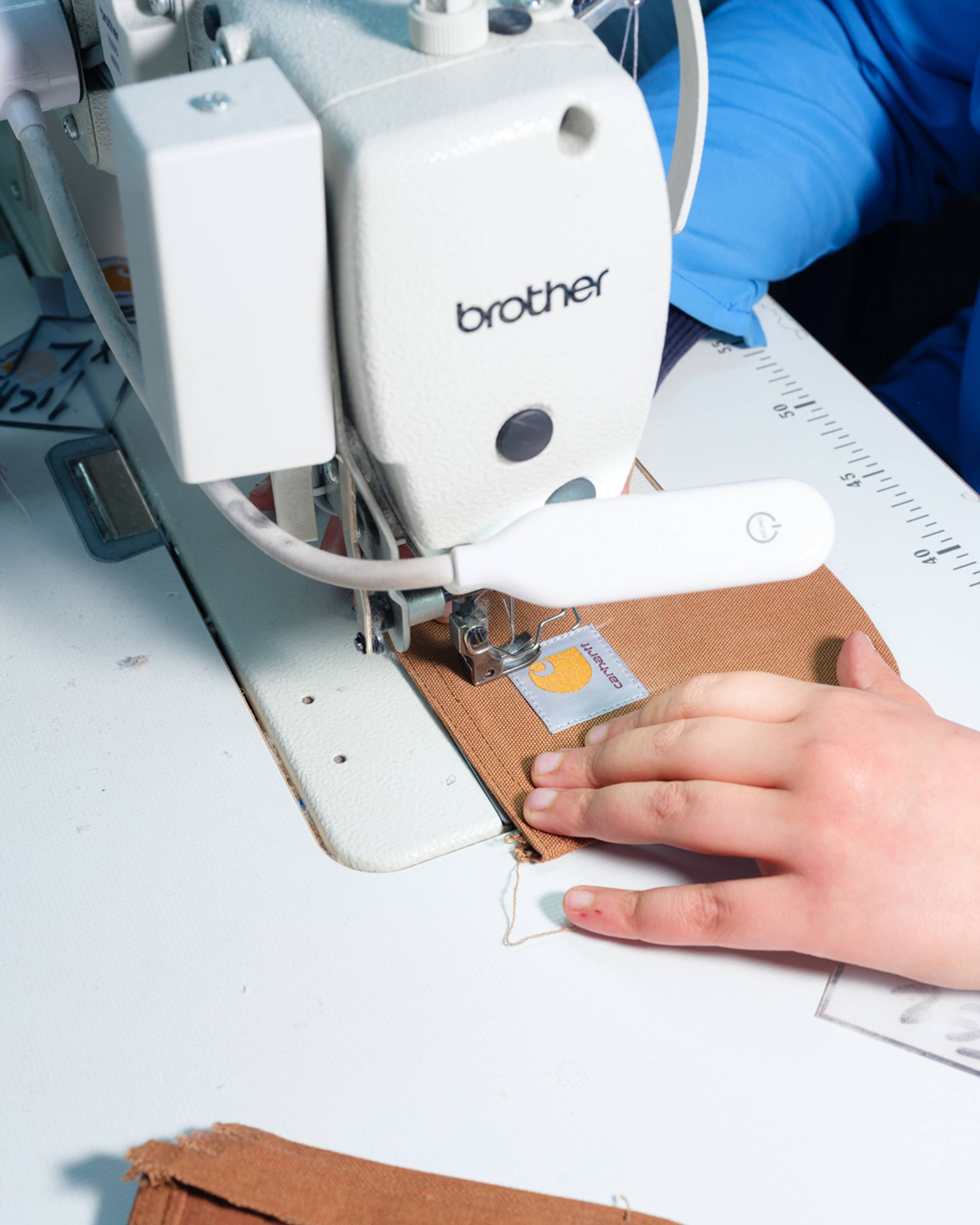
This approach is intended to extend each item’s lifespan, meaning they won’t need to be replaced as regularly. And if you decide you do want something new, the timeless nature of our core styles means someone else can wear them for years to come.
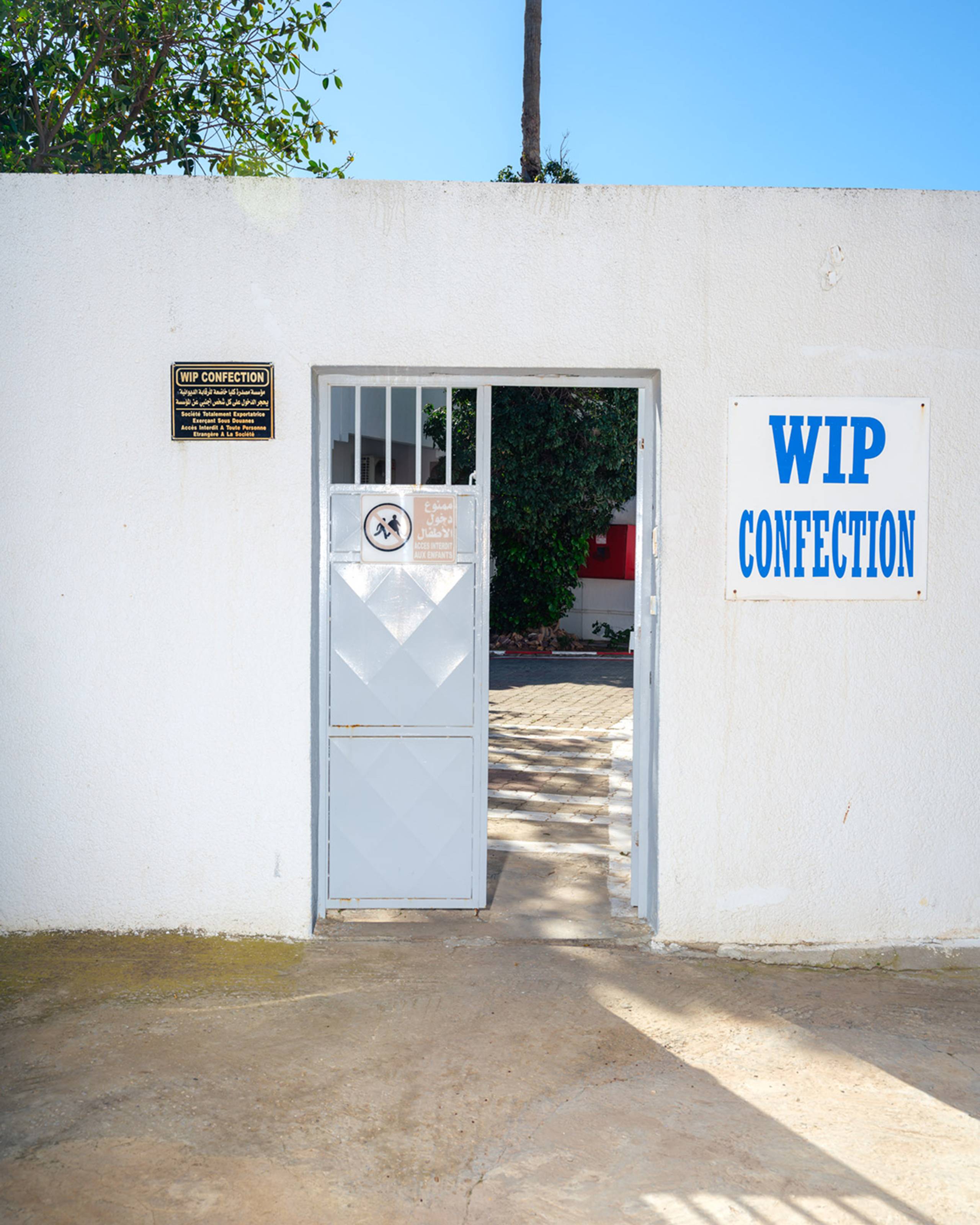
“Almost one third of the garments we produce are made in Tunisia at one of our company-owned production facilities, or long-term partnership facilities. This approach helps us maintain the quality and consistency our products are known for.”
— Matthias Knobel, Chief Product Officer
Materials
When sourcing materials for our products, we take a responsible approach that seeks to minimize environmental harm. This is an ongoing process that requires care and attention, while prioritizing improvements that will have the biggest impact.
Natural materials account for approximately 80% of our collection, making it our primary focus in recent years. Since 2017, we have implemented a strategy for the sourcing of cotton, which is our most commonly used material. Our core products, typically made in Dearborn Canvas, are made from certified organic cotton, and we continue to incorporate organic cotton into our mainline collection across multiple categories. In addition to this, we work with partners, such as the Better Cotton Initiative (BCI), to support more sustainable cotton farming practices and better working conditions at farm level.
78% Cotton
20% Synthetics
1% Animal content
1% Other
Traceability
Supply chains are often long, complex, and unclear. This poses challenges when it comes to risk assessment and ensuring our core principles are maintained throughout the production process.
We have always developed strong working relationships with our direct vendors and suppliers, which has allowed us to continually make improvements geared towards safe and fair working environments.
In 2024, we set out to better understand our supply network beyond direct vendors. We began an ongoing partnership with Retraced, an external platform dedicated to supply chain transparency, which offers detailed insight into the production process and origins of each product. Through Retraced, we are able to map each product’s journey, liaise directly with suppliers, and carry out more in-depth risk assessments.
As of February 2026, 594 suppliers have been onboarded to our Retraced network. Our plan is to continue to build on this.

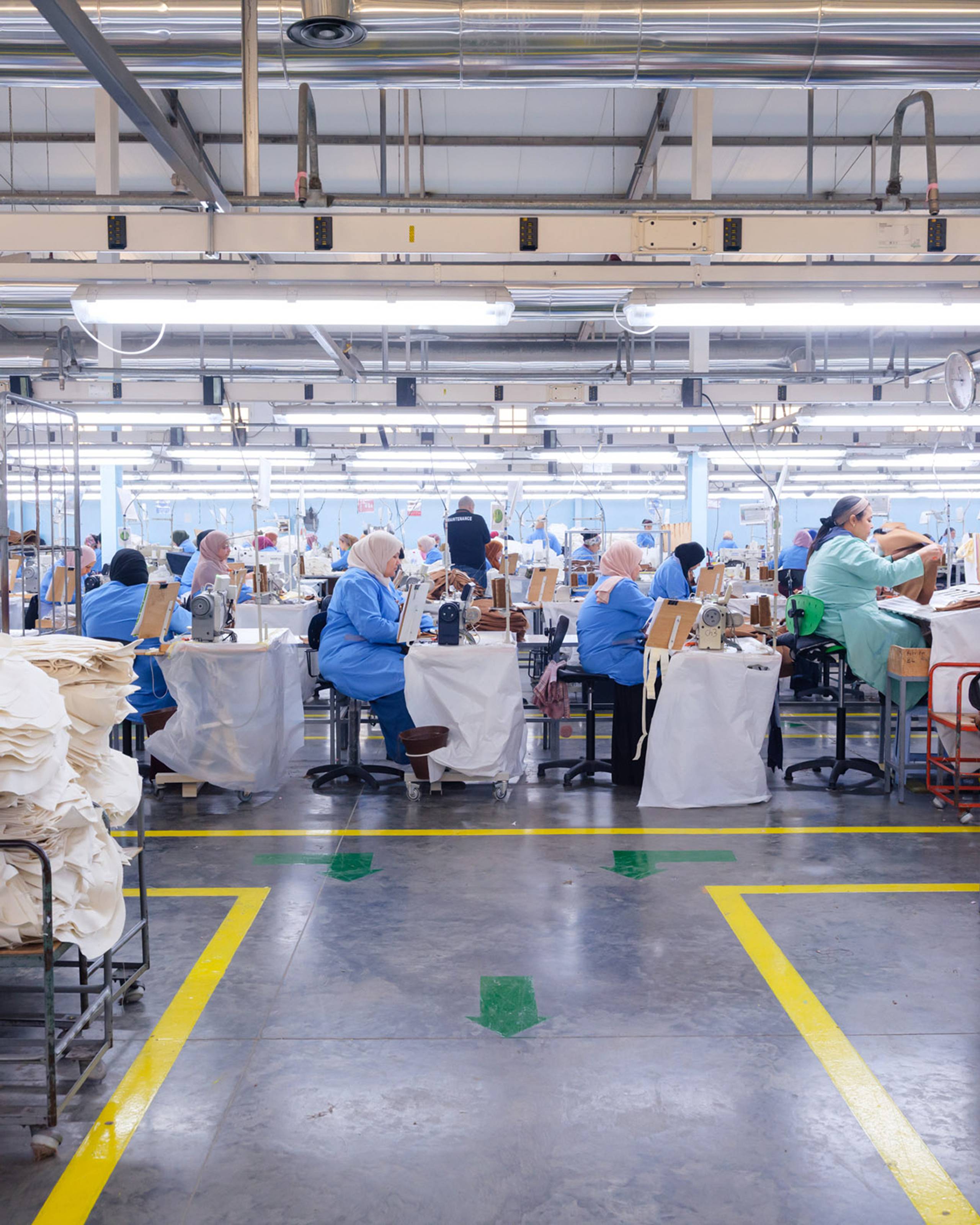
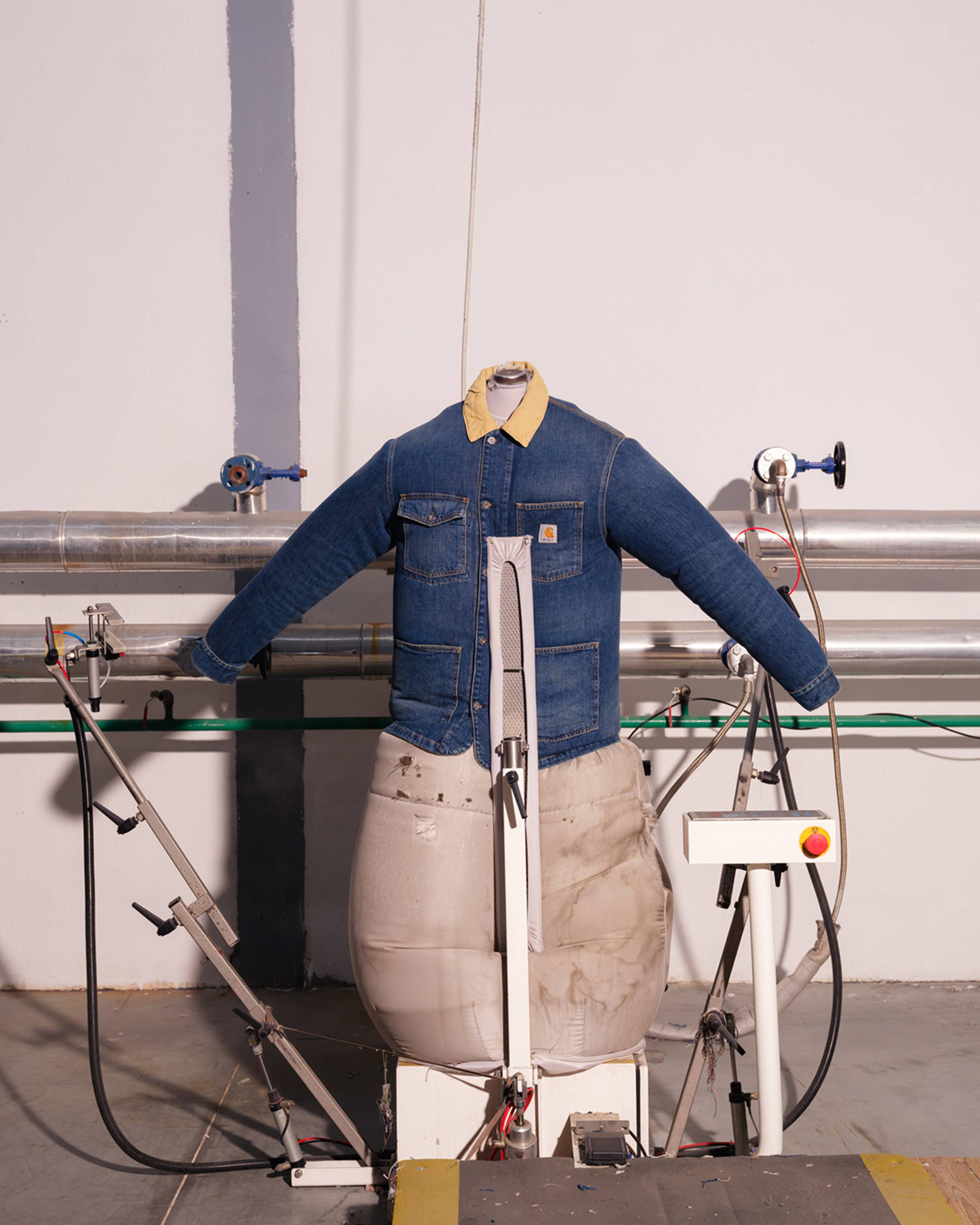
We are working to increase our use of renewable energy across all our facilities, while endeavoring to significantly reduce our carbon footprint by 2030, in line with Paris Agreement targets.
Carbon
Carhartt WIP aims to reduce Scope 1 & 2 emissions by 42% and Scope 3 emissions from purchased goods and services by 25% by 2030 (baseline 2022). These near-term targets have been validated by the Science Based Targets initiative (SBTi), which assesses emissions reduction targets against climate science and the goals of the Paris Agreement.
The stated targets have been set using carbon footprint analysis from the year 2022 as our baseline. Scope 1 and 2 account for our own operations, for example, stores, offices, company-owned vehicles, and manufacturing facilities. Scope 3 accounts for purchased and produced products.
In order to calculate our baseline, we developed a methodology over the space of two years, which accounted for all aspects of our business, and will serve as the foundation of our work going forward. Through this, we were able to calculate our first annual carbon footprint for 2022, which was 177,641 tons CO₂e. To put this number into context, it is approximately the same amount of CO₂e that 60,000 cars would emit in a year. Since 2022, we have been tracking and analysing our emissions on an annual basis.
Like most clothing brands, the majority of our emissions (98%) come from our supply chain, mostly through sourcing materials and manufacturing. This makes reducing emissions challenging, but we are committed to actively working with our suppliers to improve, while maintaining a focus on all facets of our business.
“Our climate targets give us clarity and focus to create lasting impact. Reducing our emissions in sourcing materials and the manufacturing of our products is a journey that can only be undertaken together with our supply chain partners, with whom we have built strong partnerships over many years.”
— Angela Rengel, Sustainability Director
Energy
There’s no avoiding it, we require significant energy to run our business. This is why we are working to increase our use of renewable energy across all our facilities. One step towards meeting our target has been to install solar rooftops at our European distribution center. We are also working to install these at our own production facilities in Tunisia. In 2024, we were able to increase renewable electricity usage to 82% across our European stores, offices, showrooms, and warehouses. By 2030, we plan to increase this number to 100%.
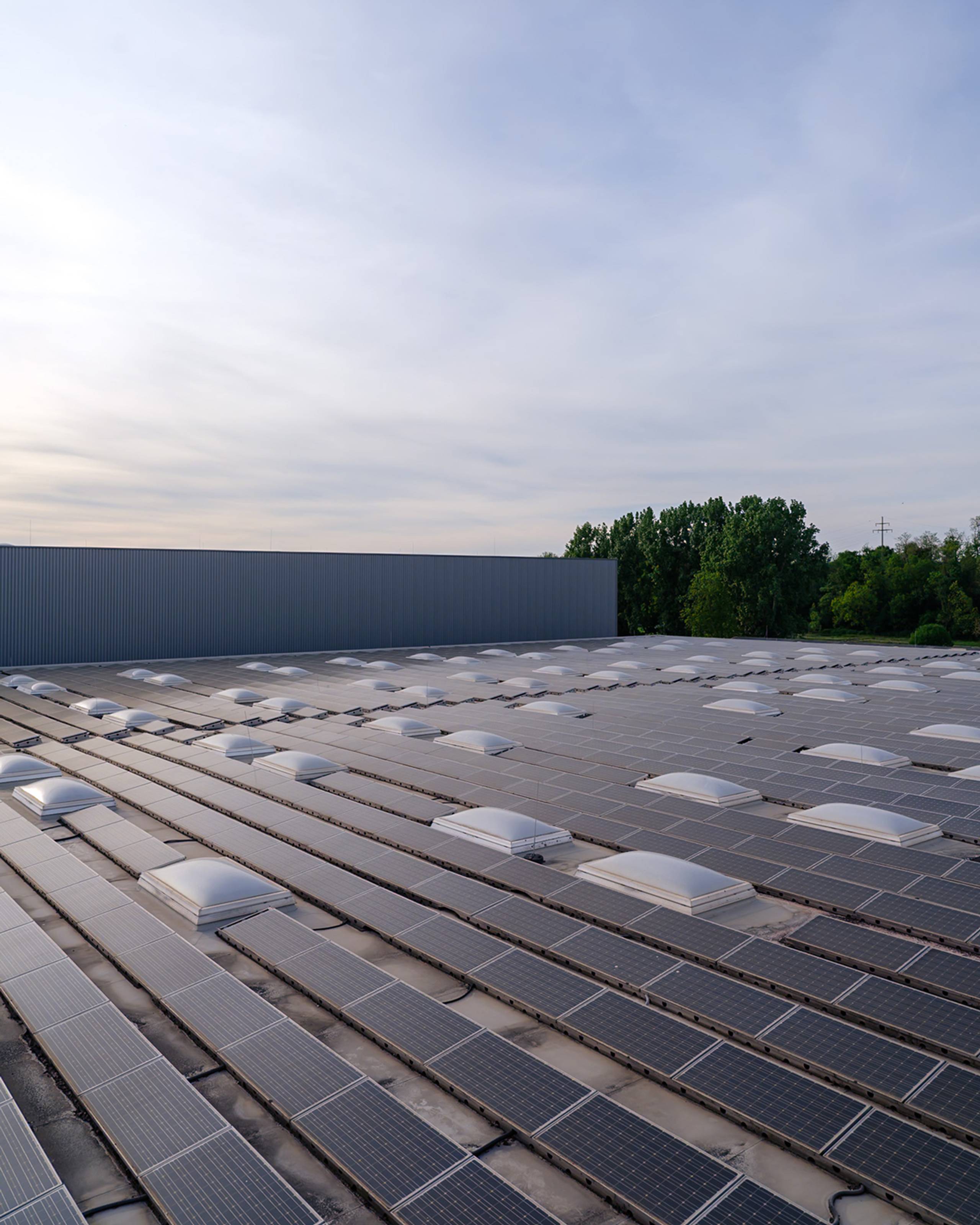
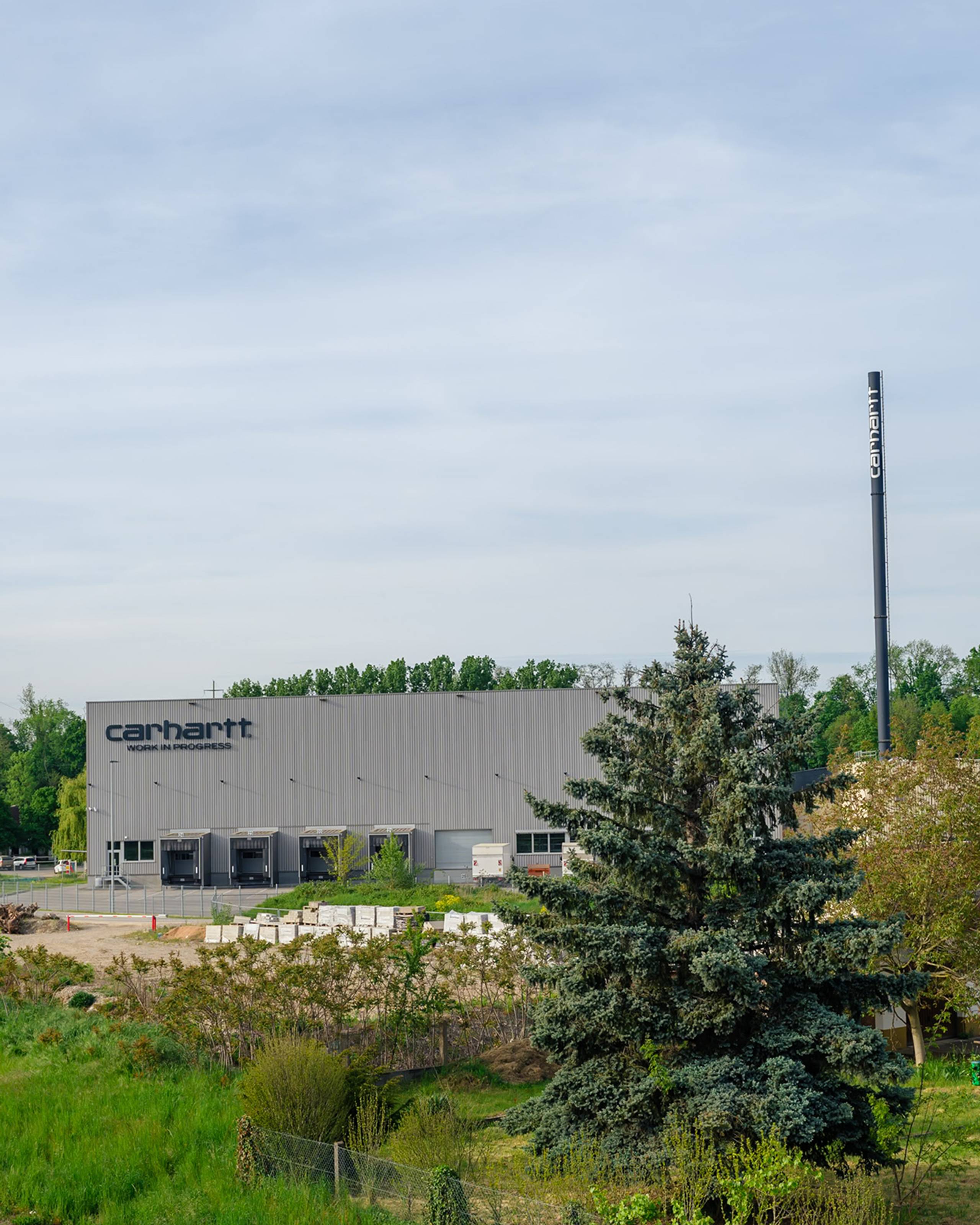
Of course, using less energy is always better than any alternative, which is why we have also created a Sustainable Building Guideline. The aim of this initiative is to help make all of our facilities as energy efficient as possible.
Chemicals
We have established an internal guideline for chemical management throughout our supply chain, to help ensure the health and safety of workers, regulatory compliance, and environmental safeguarding.
Our suppliers are required to comply with recognized industry standards, such as the ZDHC Manufacturing Restricted Substances List (MRSL), which controls chemical inventories and wastewater testing at production sites. In 2026, we joined the ZDHC (Zero Discharge of Hazardous Chemicals) as a Signatory Friend with the aim of strengthening our chemical management and promoting safer, cleaner and more sustainable chemical practices in our supply chain.
For finished products, we apply a Restricted Substances List (RSL), which defines substances which are banned or restricted, in line with best practices within our industry. We conduct regular testing through accredited laboratories and share the results with our suppliers to ensure ongoing compliance.
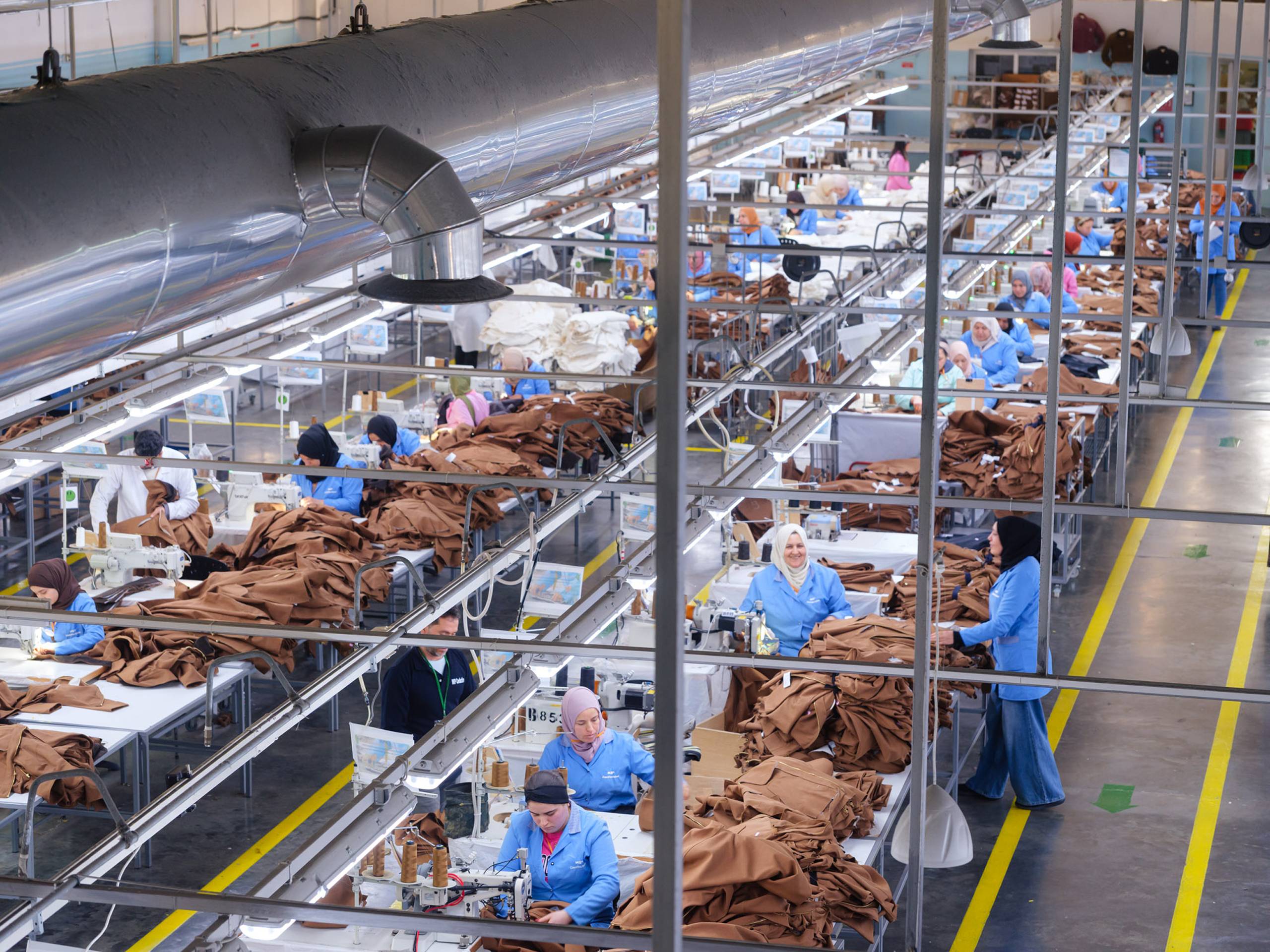
We value everyone who works for us and strive to create a workplace where people feel safe, secure, and respected.
Our Code of Conduct is the foundation of our social and environmental commitment. It sets out the minimum standards all suppliers must meet across key areas, including labor rights, health and safety, and transparency. We adhere to recognized international standards, which help guard against child labor, modern slavery, and unsafe working environments. This Code of Conduct has been developed in partnership with Carhartt Inc., based on shared ideas and principles as to how a business should conduct itself.
“My business was not started to do the gainful thing alone, but the just and honest thing, gainful if possible.”
— Hamilton Carhartt, founder of Carhartt, 1889
Labor Standards
While our Code of Conduct is a comprehensive document, it is important to implement these standards in practice. For example, we are currently working to ensure that all suppliers have effective grievance mechanisms in place by the end of 2026. This helps workers express complaints or concerns to management, and provides clear procedures for addressing and resolving issues.
Health and Safety
The safety and wellbeing of the people who make our products is of utmost importance.
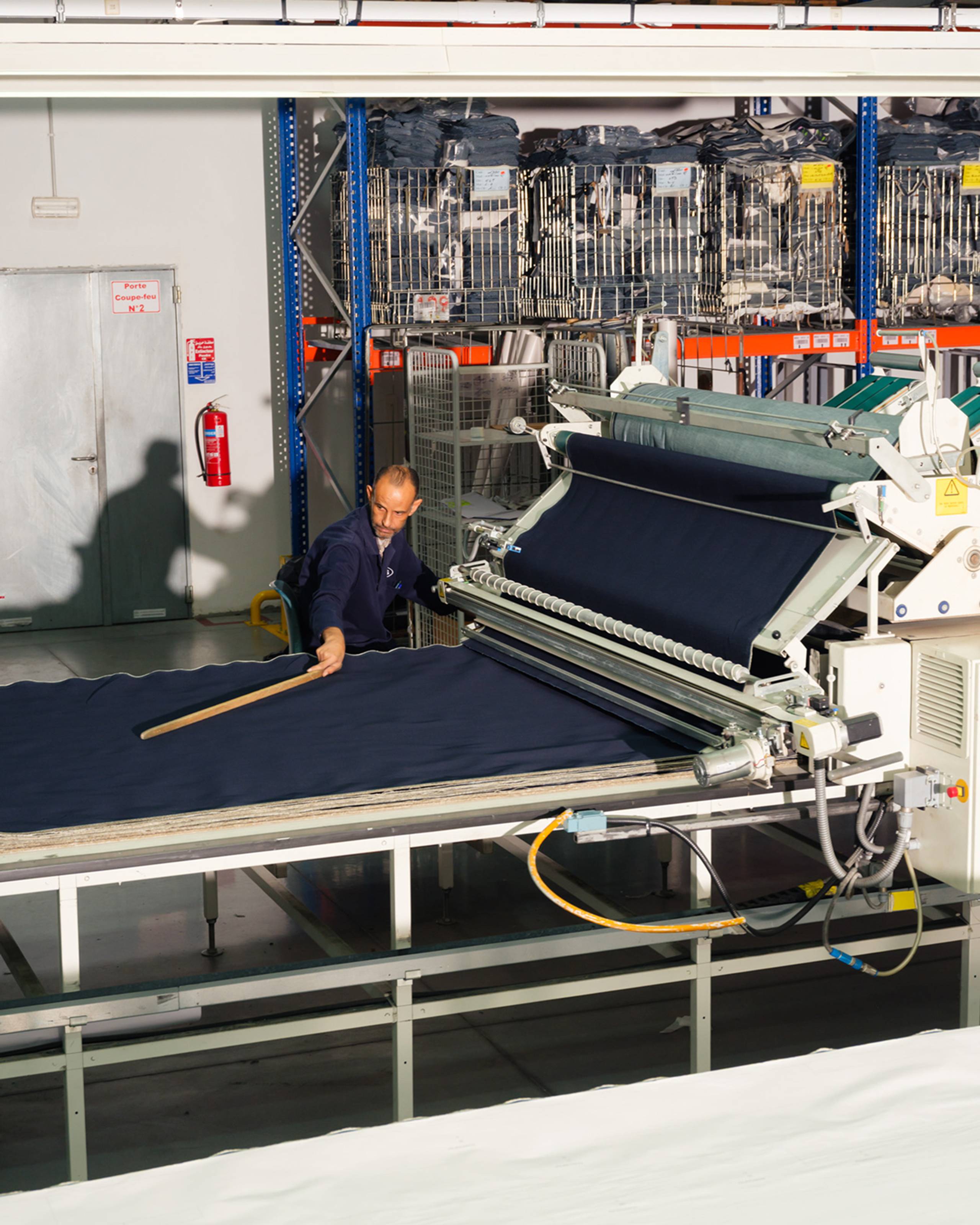
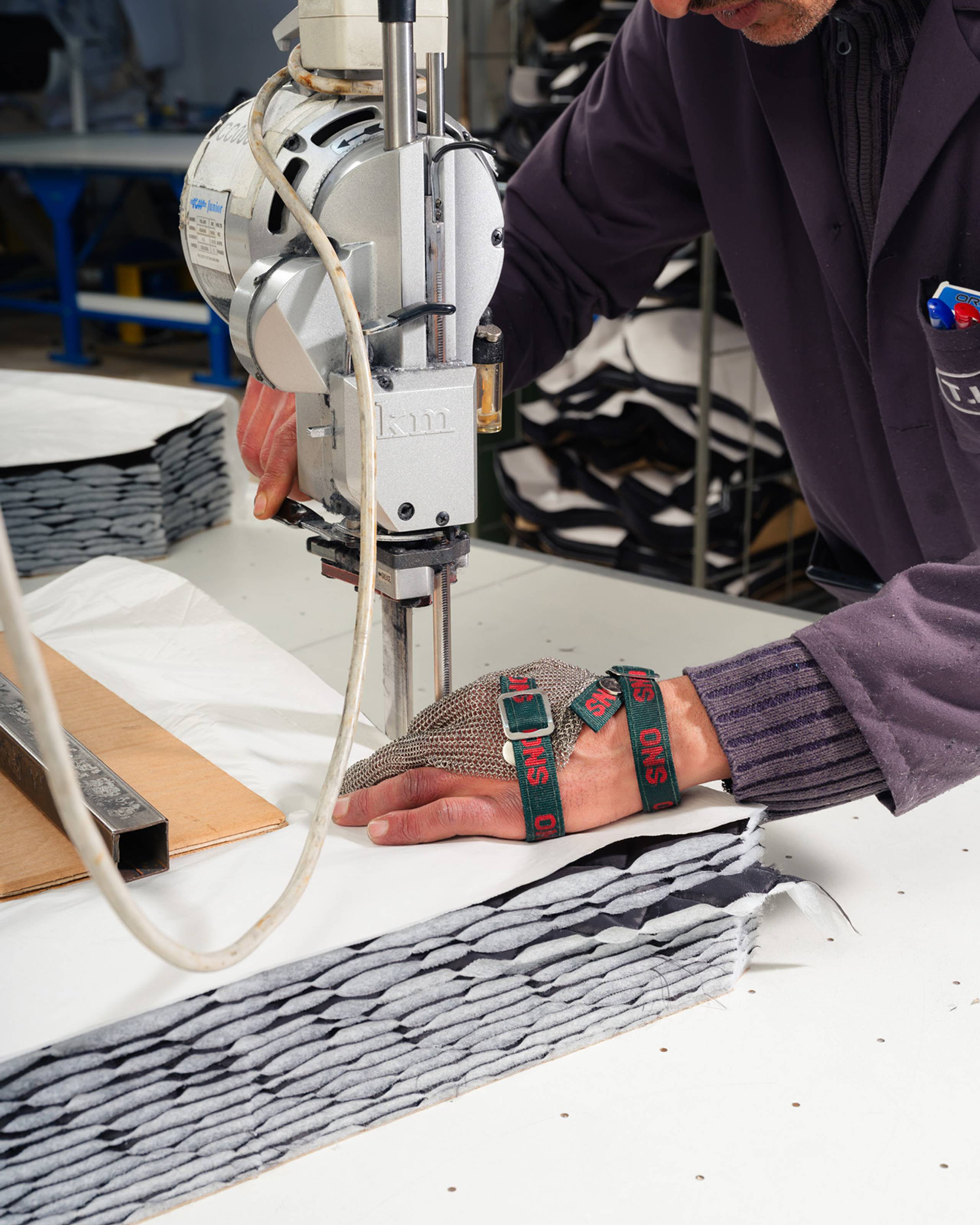
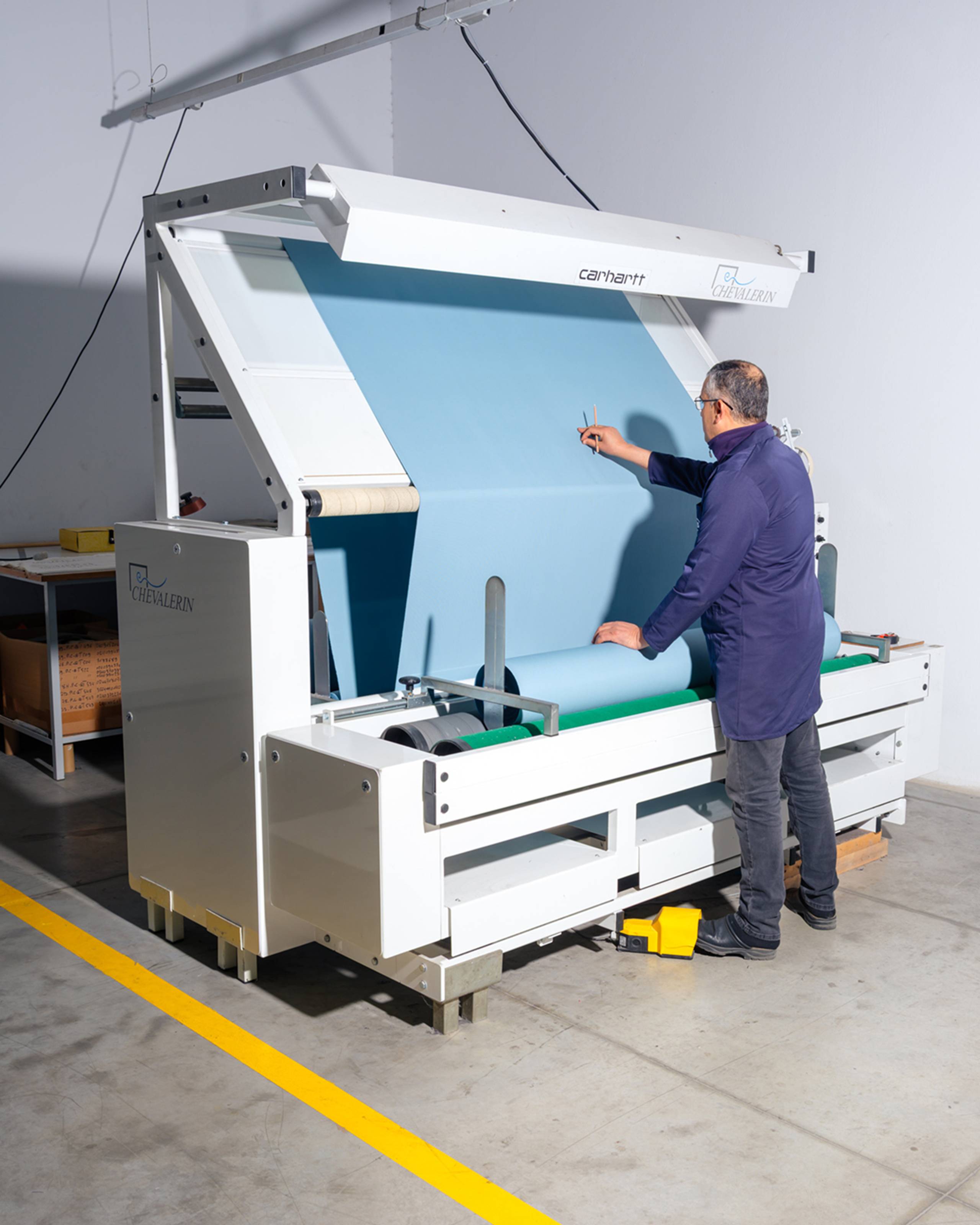
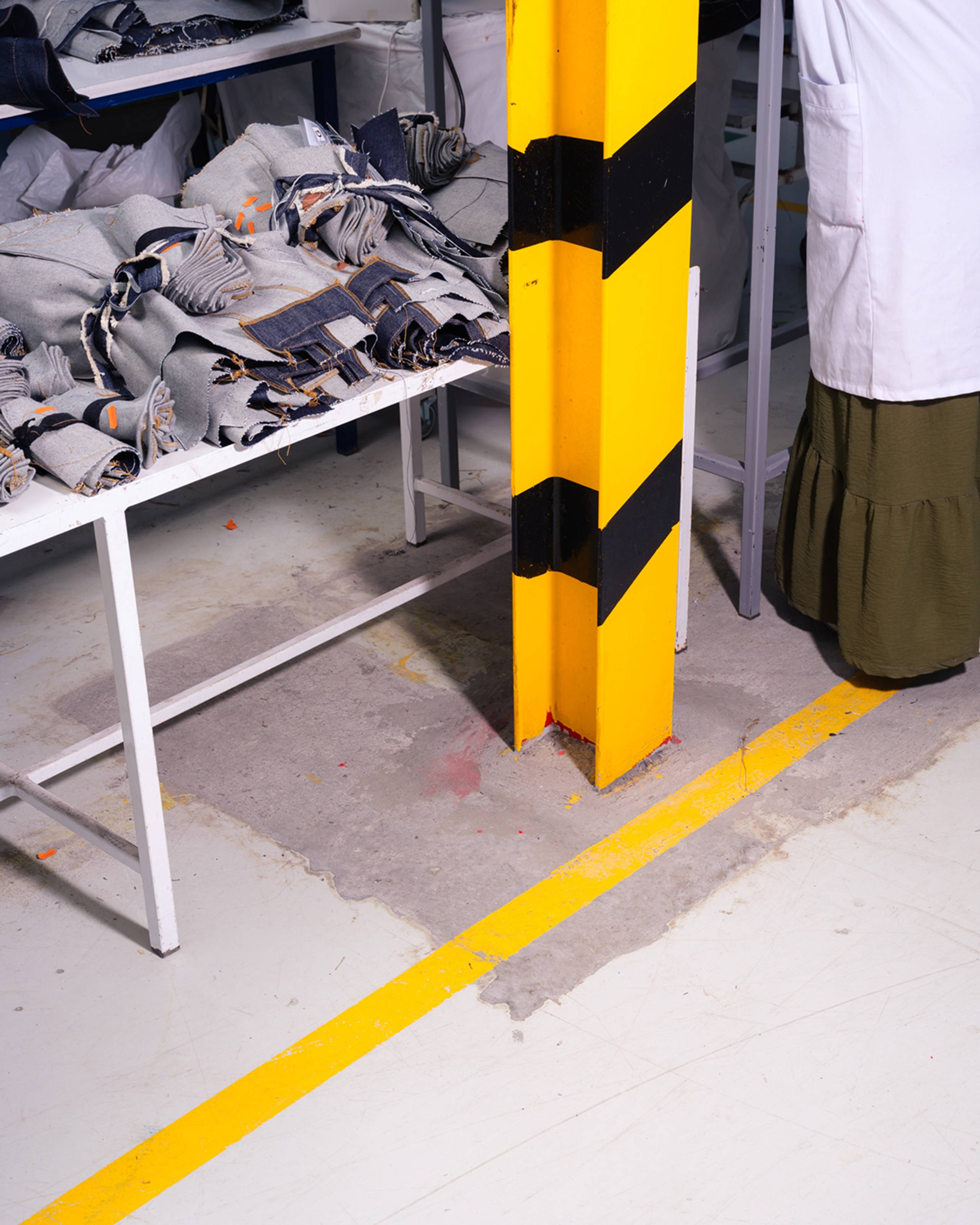
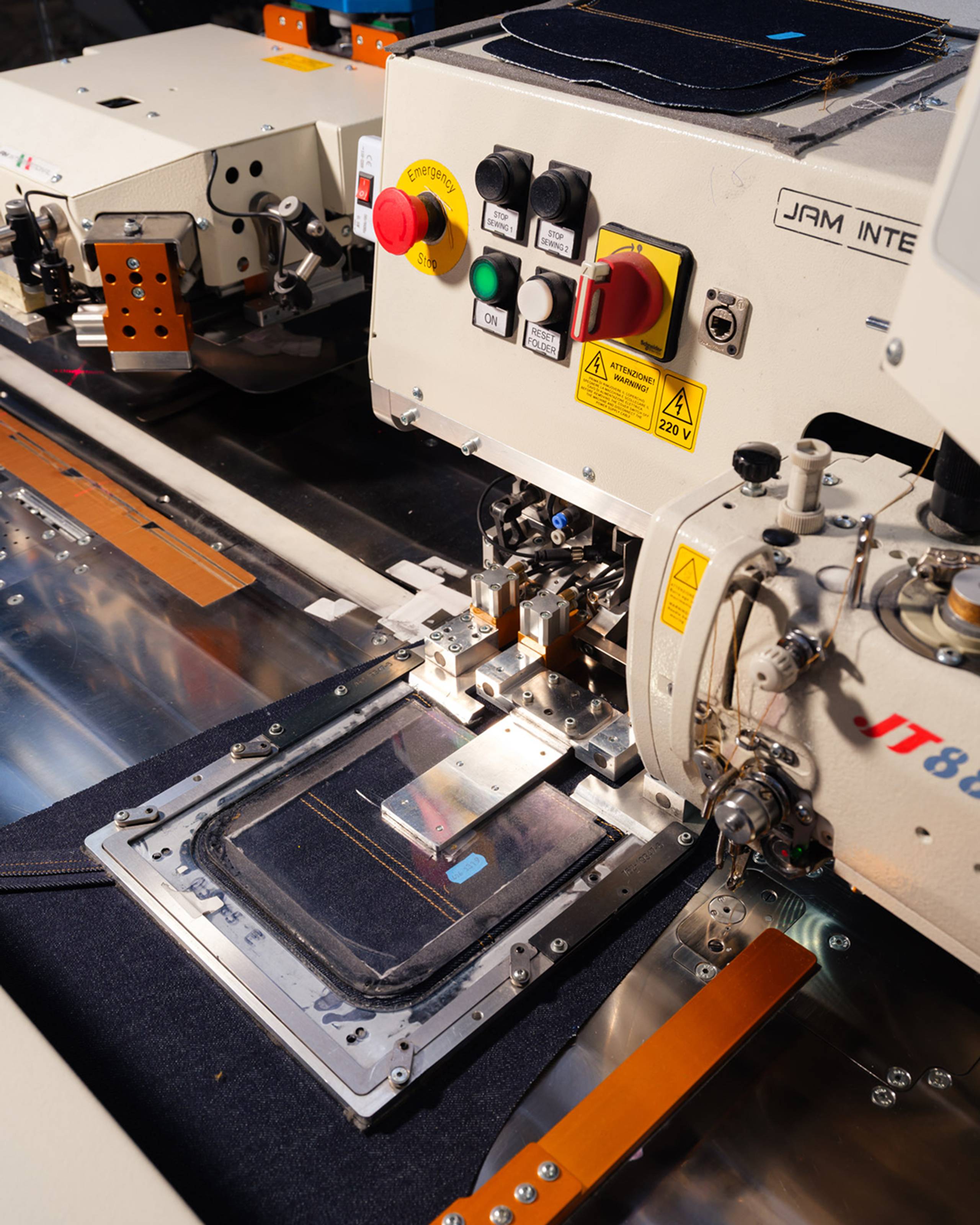
We comply strictly with all required laws and regulations across every area of our business, while also providing comprehensive training to equip our employees with the skills and knowledge to work safely. We place a strong emphasis on hazard awareness and emergency procedures, as well as the proper use of equipment and personal protective equipment [PPE].
As part of our social responsibility program, experienced Carhartt WIP assessors inspect every facility used by our direct suppliers. This extensive assessment focuses on the following areas: fire safety, chemical management, machine safety, working conditions and hygiene.
Transparency
We typically seek to build long-term working relationships with our suppliers. This approach helps facilitate regular and open communication, allowing us to minimize the risk of Code of Conduct violations.
We regularly review the conditions in each location. For example in 2025, we visited 96% of our direct suppliers and subcontractors. During these on-site visits, a team of dedicated experts hold discussions with both management and workers, as well as carrying out in-depth facility and record inspections. Through these assessments, we are able to identify challenges, make improvements, and reduce the risk of serious violations.
We typically seek to remedy violations through constructive dialogue and collaboration. While we prefer to work with suppliers to resolve issues, we will end a supplier relationship in cases of severe or persistent non-compliance.